
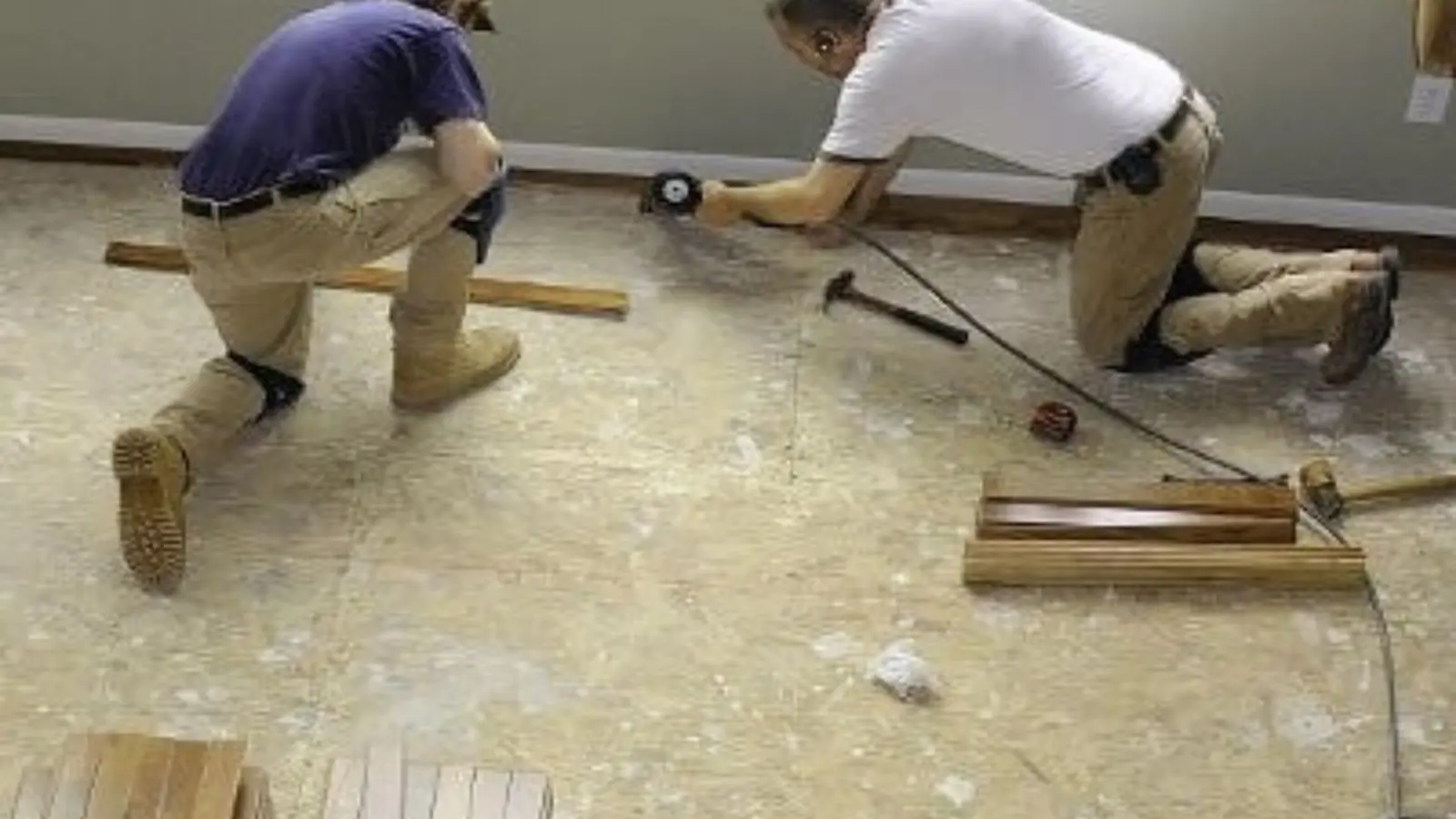
Water damage repair in Lynnwood, WA is the rebuilding stage. After the leak is stopped and the structure is dry, damaged drywall, insulation, flooring, paint and cabinets are cut out, replaced or refinished. A good repair is quiet work, with new surfaces that match the old.
Repair starts only when moisture readings confirm the materials are dry. Rebuilding over damp framing traps moisture and brings the problem back as peeling paint, soft baseboard or a musty smell.
What a Repair Scope Covers
A repair scope lists each material that needs work, in each room, with the method. The crew walks the house after drying and writes it down so the work is visible before it begins.
Typical items fall into a few groups.
- Drywall: cut back past the wet edge, patched or replaced, taped, textured and primed.
- Insulation: wet batts removed and replaced where the cavity was opened.
- Flooring: carpet, pad, laminate, vinyl or hardwood repaired, relaid or replaced.
- Paint: spot coats, full wall coats or whole-room repaints for a clean color match.
- Cabinets and trim: toe-kicks, base cabinets and baseboard replaced when they have swollen.
Ceiling and Wall Water Damage Repair
A brown ring on the ceiling usually means water came from above, such as an upstairs shower, a bathroom supply line or a roof leak. The stain is only the visible part. Insulation and drywall above it are often saturated.
A sagging ceiling holds a lot of water in the drywall. If it bulges, keep people out from under it. A collapsed section happens when the board gets too heavy for its fasteners, and the crew removes the rest safely before rebuilding.
Repair means cutting out the wet drywall, replacing wet insulation and checking the framing with a moisture meter. New board goes up, then taping, texturing and a stain-blocking primer so the old mark does not bleed through the paint.
Texture is the detail that gives a patch away. Many older homes have knockdown or orange peel texture on ceilings, so the finish crew matches the pattern before the primer goes on.
On walls, damage often climbs from the floor. Baseboard swells first, then drywall wicks water upward. The cut line is set above where the meter shows dry.
Water still spreading? The emergency line is open around the clock.
☎ Call (425) 592-3399Hardwood Floor Cupping and Drying
Cupping happens when the edges of a board take on moisture faster than the center, and the board curls upward. It can follow a dishwasher leak or water under the planks. Cupping often eases as the floor dries, so repair decisions wait.
The crew measures the subfloor and boards before deciding. If the boards flatten, a sand and refinish may be enough. If they are cracked or still cupped after drying, replacement of the affected boards is the honest answer.
The Order of Work During a Rebuild
A rebuild follows a set order so one trade does not damage another's work. Demolition and dry-out confirmation come first, then insulation, then drywall hanging and finishing. Primer and paint follow, and flooring and trim go in last.
Cabinets are the exception. Base cabinets that swelled are pulled early, because the floor under them cannot dry while they sit in place. Expect several days on site for a single room, and longer when several finishes need to cure between coats.
Repair or Replace: A Material by Material Guide
The decision depends on what the material is made of and how wet it got. This table shows the common calls, though a meter reading on your own floor settles each one.
| Material | Usually repaired when | Usually replaced when |
|---|---|---|
| Drywall | Wet only at the bottom edge and now dry and firm | Soft, sagging, stained through or exposed to contaminated water |
| Insulation | Dry and never disturbed, which is rare after a leak | Wet at all, because it holds water and stays damp inside the cavity |
| Carpet and pad | Clean-water spill dried quickly | Pad soaked or water came from a drain or toilet |
| Solid hardwood | Cupping eases and boards stay tight | Boards crack, split at joints or stay cupped after drying |
| Laminate and vinyl plank | Water stayed on the surface | Water got under the planks and swelled the edges |
| Base cabinets | Face frames dry and solid | Particleboard sides swollen or crumbling |
How a Repair Scope Is Written and What Drives the Price
The scope starts with the drying results. Once the readings show the structure is dry, the crew lists each room, each material, the work method and the finish level, so you can compare it line by line.
Room type changes the list. A kitchen repair often means base cabinets, toe-kicks and flooring. A bathroom repair leans toward drywall, tile backer and the ceiling below. A basement repair usually involves lower drywall cuts, insulation and carpet or vinyl flooring over a slab.
Price comes from the same few drivers on every job. They are the size of the area, the material type and grade, how much needs demolition, finish matching such as texture and paint, and how many trades are needed. Hardwood and custom cabinets cost more to repair than carpet or standard drywall.
Scope and price are explained before work starts, including what could change if hidden damage turns up behind a wall. For a real number on your house, call the 24/7 line.
Why Lynnwood Houses Need Repair Work
The median home in Lynnwood was built in 1979, according to the 2023 American Community Survey, and about half of the city's housing units predate 1980. Older houses often have original supply lines and aging drains, so the leaks that cause repair work are slow, hidden and long in the making.
Another local cause is surface water. The city's Scriber Creek flooding report records repeated flooding between 188th and 196th Street SW, with causes such as undersized culverts and storm drain overflow. Homes near that stretch in 98036 can see water at floor level, which means wet baseboards, swollen cabinets and damp drywall to repair.
We take repair calls across 98036, 98037 and 98087. If you live toward Edmonds, our Edmonds service page covers that area.
What to Do Before Repairs Begin
Keep the room as it is until the crew has photographed it. Clear out small items and furniture so work areas are open, and move electronics out of the room.
If a ceiling bulges, keep people away and do not poke it. Call the 24/7 line and describe the sag so the crew can plan the safest approach.
- Photograph stains, soft spots and swollen trim from several angles.
- Write down when you first noticed each problem.
- Save damaged pieces of flooring or cabinet trim if you can.
- Ask your insurer what it needs before major demolition.
Repair and Your Insurance Claim
Sudden and accidental water damage is often covered. Gradual leaks and neglect often are not, and flood damage usually needs separate flood coverage. Check your policy and ask your insurer what applies.
The crew records photos, moisture readings and a written scope so you hold organized material for your own claim. Photograph the damage before any cleanup, keep the damaged pieces if possible and save every receipt.
Services That Come Before and After Repair
Repair sits at the end of a sequence. If the house is still wet, water mitigation has to come first, since drying is what makes rebuilding safe. If the water was used or contaminated, water damage cleanup removes the affected materials and sanitizes the area.
When a musty smell or visible growth shows up after a leak, the next step may be mold remediation, which follows the ANSI/IICRC S520 standard. The crew will tell you which stage your house is in.
Questions about this service
My ceiling has a brown stain from the upstairs bathroom. Do I have to replace it?
Often, yes for the wet section. A brown ring means water soaked the drywall and probably the insulation above it. The crew checks with a moisture meter and cuts back to dry material.
Painting over the stain alone usually fails, because the mark bleeds through without a stain-blocking primer.
My hardwood floor is cupping. Is it ruined?
Not necessarily. Cupping can ease as the boards dry, so the decision waits for moisture readings. If the boards flatten, sanding and refinishing may be enough.
Boards that crack or stay cupped after drying are usually replaced.
The drywall feels soft near the floor. What does that mean?
Soft drywall has absorbed water and lost strength. It is usually cut out and replaced, along with any wet insulation behind it.
Leaving it can bring mold, so check the area soon.
Paint is bubbling on my wall. Is that water damage?
It can be. Bubbling often means moisture is pushing through the wall from inside. The source needs to be found before any repainting.
A meter reading tells the crew whether the wall is wet or the bubbling comes from another cause.
How soon can repairs start after a leak?
Repairs start once the structure reads dry, which often takes about three to five days of drying. Starting earlier traps moisture inside the wall.
In the meantime the crew can plan the scope so rebuilding begins right after drying.
What affects the price of the repair?
The size of the area, the materials, how much demolition is needed and how closely paint and texture must match. Hardwood and cabinets raise the cost more than carpet or drywall.
For a real number on your house, call the 24/7 line.