
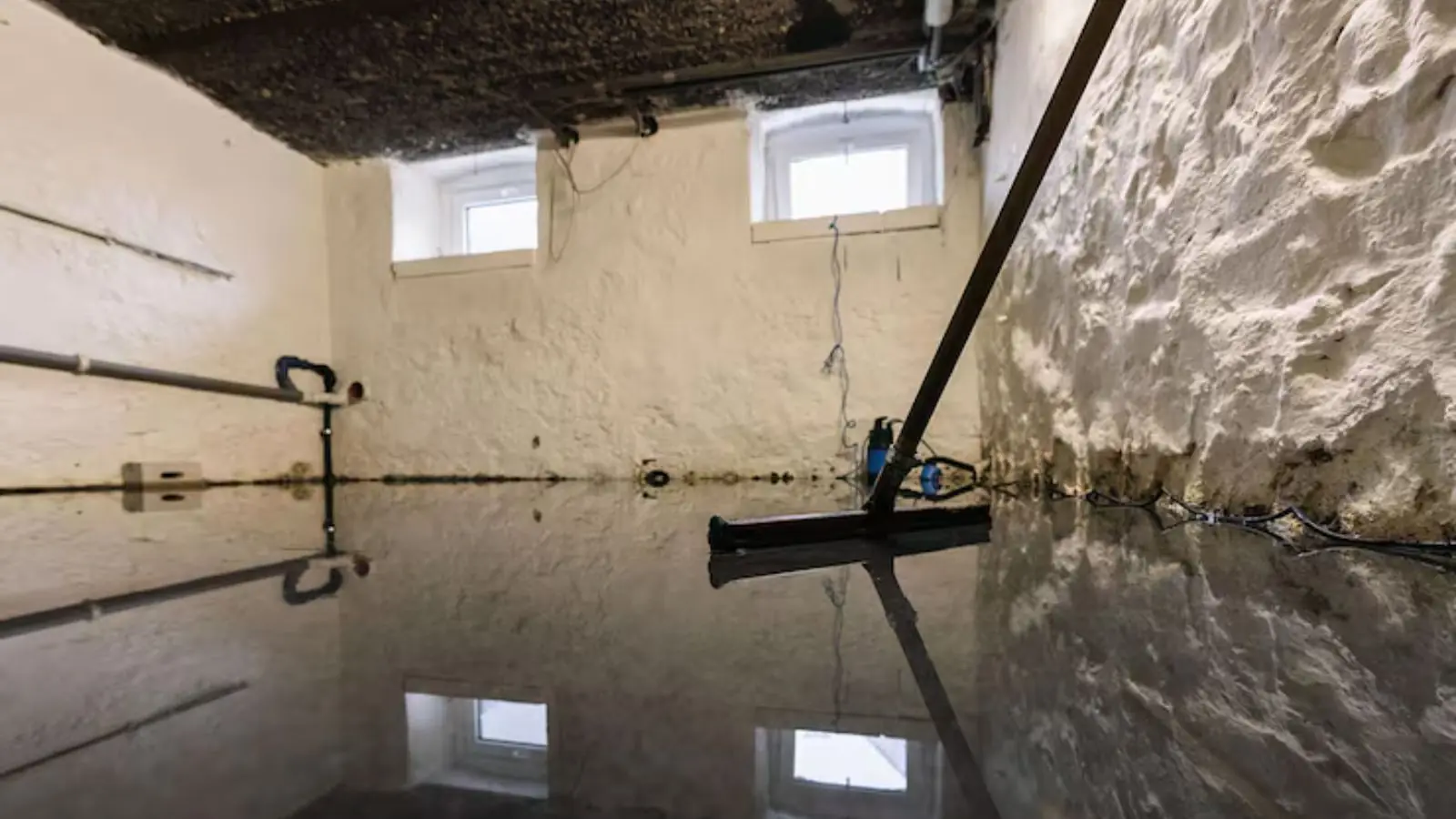
Floodwater in your house is a race against spreading contamination. For emergency flood damage restoration in Lynnwood, WA, call our 24/7 line as soon as you can reach a phone from a dry spot. Until the crew is on the way, stay out of the water, shut off the main water valve if the leak is inside, and lift valuables off the floor.
Cut power to flooded rooms only if the panel is dry and you do not have to wade to reach it. Flood and sewer water should be treated as contaminated, so keep children and pets out.
What kind of flood is it
The source of the water decides how it is handled. Storm runoff, creek overflow and sewer backup are all treated as contaminated, while a broken supply line starts clean. This table shows the common sources in a Lynnwood-area home.
| Source | Water category | What it usually means |
|---|---|---|
| Creek or street overflow | Category 3 | Mud, debris and contaminated water, with porous materials removed |
| Storm drain or surface runoff | Category 2 or 3 | Often carries silt and contaminants, so cleaning is stricter |
| Groundwater seepage | Category 2 or 3 | Slow wetting of slab edges and walls, often in basements |
| Sewer or drain backup | Category 3 | Safety first, with removal of soaked porous materials |
| Burst pipe or tank failure | Category 1, then higher with time | Clean at first, but it rises in category if left to sit |
Categories come from the published ANSI/IICRC S500 standard. You can ask any restoration company whether its crews work to it.
Safety first: electricity, gas and sewage
If water touches electrical or gas equipment, call the utility or 911 first
Do not enter a flooded room if water reaches outlets, the electrical panel, a furnace, a water heater or a gas appliance. Call your electric utility, your gas utility or 911 before you call the restoration line. The city's public works page lists Snohomish County PUD for electricity and Puget Sound Energy for natural gas.
If floodwater or sewage is in the house, wear boots and gloves if you must move through it, and skip food, water or medicine that touched it. Do not run laundry or flush toilets until the line is clear.
Water still spreading? The emergency line is open around the clock.
☎ Call (425) 592-3399Basement flooding cleanup
A flooded basement is heavy work, because water sits below grade and has nowhere to drain. Crews begin by checking that power and gas are safe, then set submersible pumps to lower the water in stages. Pulling it out all at once can stress walls and floors, so extraction is steady.
After the bulk is gone, extraction units clear the rest from carpet and slab. Wet pad, soaked drywall, insulation and stored cardboard come out, and bagged debris leaves the house. Concrete and framing stay, and they get cleaned and sanitized.
Then air movers and LGR dehumidifiers dry the space while moisture meters track progress each visit. Basements dry slowly because concrete holds moisture, so expect several days. If you smell damp after drying, tell the crew, since a hidden pocket may still be wet.
Sewage backup cleanup
Raw sewage coming from a floor drain, shower or toilet is an emergency. Keep everyone out of the area, including pets, and stop using water in the house so more does not enter. Call us from a dry room, and call your plumber or the sewer utility for the blockage itself.
Crews wear protective gear, seal the area with plastic sheeting and remove porous materials the sewage touched, including carpet, pad, drywall and insulation. Hard surfaces and framing are cleaned, then treated with an antimicrobial product. HEPA air scrubbers run during the work.
Sewage is Category 3 water, so the cleanup is stricter than for a clean leak. Photos and moisture readings are taken before removal, which gives you records for your own insurance claim. Anything porous that got wet is usually discarded rather than washed.
Whole-house and crawl space flooding
When water covers more than one level, the order matters. Crews extract from the lowest level up, because water drains downhill and wet ceilings dump onto cleaned floors. Whole-house floods need more air movers, more dehumidifiers and more removal, so scope is set room by room.
A flooded crawl space is a hidden version of the same problem. Wet insulation, soaked ducts and a damp subfloor can sit unseen for weeks. Crews pump out the space, remove sagging insulation and dry the framing. Wiring runs through many crawl spaces, so stay out if water sits near it.
Read how drying works after extraction for what the next days look like.
What flooding looks like around Lynnwood
The city's own Scriber Creek flooding summary says flooding was concentrated between 188th St SW and 196th St SW. It says repeated and significant flooding had occurred for the past 20 years, with documented events in 2006, December 2007 and November 2012. The report lists causes such as a channel confined by development, undersized culverts, sediment and storm drain overflow. If your address is in that stretch, tell the dispatcher the water came from the creek or the street.
Flood and storm disaster declarations for Snohomish County, including 2006, 2009, 2012, 2014 and 2020, are county-level, not Lynnwood-specific. A December 2025 county flood proclamation covered the Snohomish, Skykomish and Stillaguamish rivers, mostly east and north of Lynnwood, and it is not documented as affecting Lynnwood. A river alert does not tell you whether your street is dry.
The city's draft critical areas code says flood hazard areas follow the FEMA flood insurance study for Snohomish County. To learn if your address is mapped, check the FEMA flood map for your address, or ask the city's Development & Business Services department. We also serve Mukilteo and Everett nearby.
Not waterproofing or foundation work
Restoration deals with the water that is already in the house. It does not seal a foundation, install a sump pump system, regrade a yard or fix drainage. If water keeps entering after cleanup, a waterproofing or drainage contractor, or a foundation specialist, handles that.
Telling you this up front saves money. We would rather dry your basement and point you to the right trade than promise a fix that is not our work. Related cleanup steps are covered under water damage cleanup.
What flood restoration costs depend on
Flood pricing follows the job. Here is what moves it:
- Water category, since Category 3 needs protective gear, more removal and disposal.
- Depth of water and square footage affected, including basement and crawl space.
- Materials removed and whether contents need to be cleaned or discarded.
- Drying days, and the number of air movers and dehumidifiers needed.
- Rebuild scope after drying, handled as a separate stage.
Scope and price are explained before work starts. For a real number on your house, call the 24/7 line.
Flood damage and insurance
A general note on flood coverage
Flood damage is usually excluded from standard homeowners policies and needs separate flood coverage. Sudden water from a burst pipe is often covered, but water that comes in from outside often is not. Check your policy or ask your insurer which one applies to you.
Crews photograph the water line, take moisture readings and list removed materials. That gives you records for any claim you file. Do not throw out damaged items before taking photos.
Call now, because floodwater does not wait
Contaminated water soaks into porous material fast, and the longer it sits, the more has to be removed. A rug or sofa that could be cleaned on day one is usually a loss by day three.
We offer same-day response when available, including nights, weekends and holidays. If your basement floods at midnight during a storm, call. Once the water is out, ask about emergency water extraction details, and about mold remediation if a damp smell lingers.
Questions about this service
Do you handle flood damage emergencies at night or on weekends in Lynnwood?
Yes. The line is answered around the clock, and we offer same-day response when available, including overnight, weekends and holidays. Storms often flood basements after dark, so night calls are normal.
While you wait, stay out of the water, shut off the main valve if the leak is inside and move valuables up.
My basement has water after heavy rain. What should I do?
Stay out if water is near outlets or the panel, and call the utility or 911 if there is any electrical or gas risk. If it is safe, lift items off the floor and call the 24/7 line.
Crews will pump the water, remove wet materials and dry the space. If water returns with every storm, that needs a drainage or waterproofing contractor.
Sewage is coming up from my basement drain. Is it an emergency?
Yes. Keep everyone out, stop using water in the house and call us from a dry room. Sewage is Category 3 water and calls for protective gear and removal of porous materials.
Call your plumber or the sewer utility about the blockage itself. We handle the cleanup.
Does homeowners insurance cover flood damage?
Flood damage is usually excluded from standard homeowners policies and needs separate flood coverage. Water from a sudden pipe failure is often covered.
Check your policy or ask your insurer. Crews document the damage with photos and readings for your own claim.
Can you waterproof my basement or fix the foundation?
No. Restoration removes and dries water that is already inside. Waterproofing, sump systems, regrading and foundation repair are different trades.
We will tell you if the signs point to a drainage problem, so you can call the right contractor after the basement is dry.
How long does a flooded basement take to dry?
Extraction can take hours, but drying often takes several days because concrete and framing hold moisture. Crews check moisture meter readings at each visit before removing equipment.
Depth, water category and how much comes out all change the schedule.
Can you handle a whole-house flood or a flooded crawl space?
Yes. Crews work from the lowest level up, pump out the crawl space and remove wet insulation. Whole-house jobs need more equipment and more removal, so scope is set room by room.
Stay out of any crawl space with standing water near wiring.