
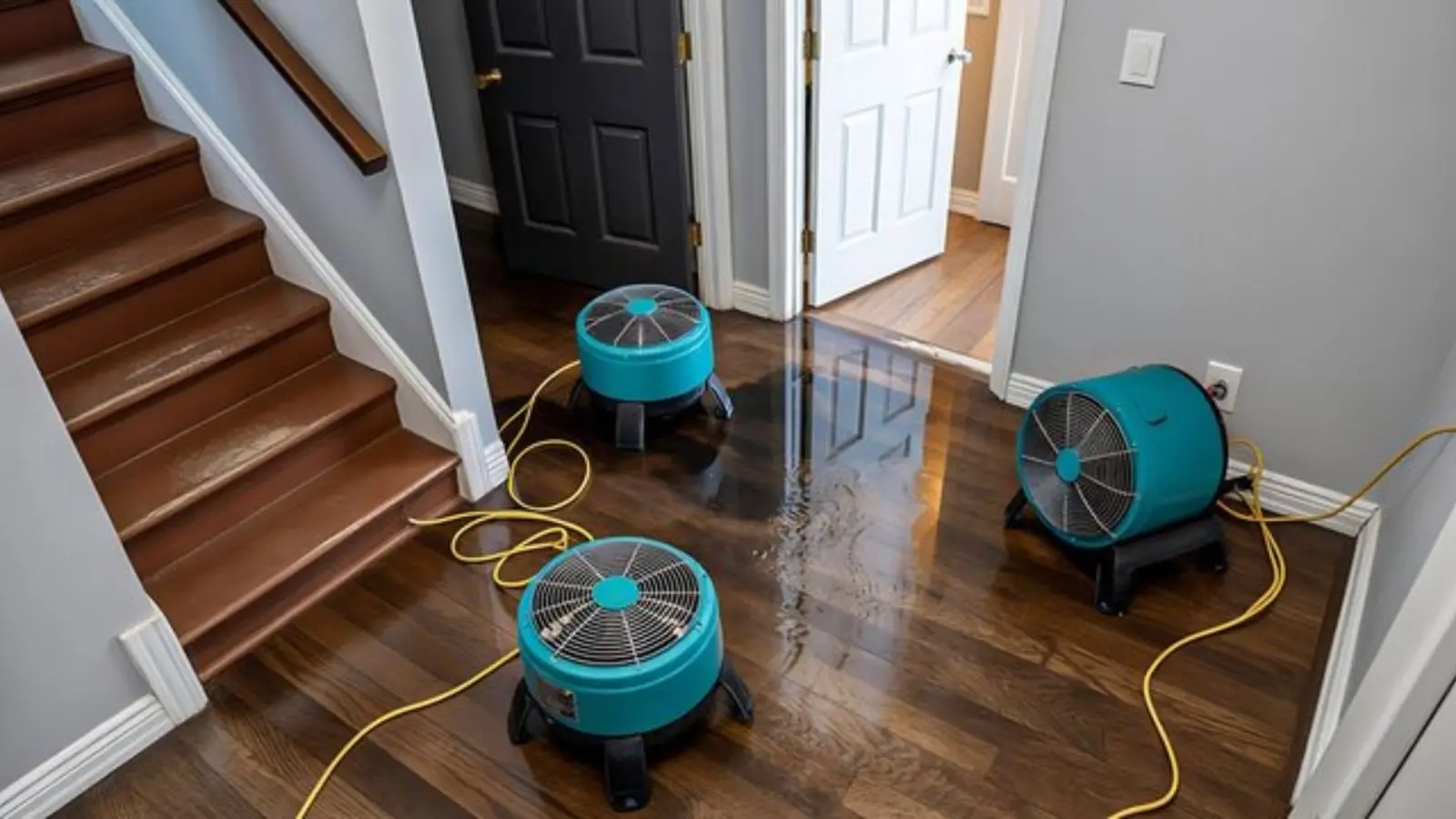
Water Damage and Mold Services in Lynnwood, WA
Find the service that matches what you are looking at, from standing water to stained ceilings. Call the 24/7 line if you are not sure.
Six services cover almost every water loss in a Lynnwood, WA home, and each one answers a different question. Is water still standing, are the walls wet, is something contaminated, or is it time to rebuild? Naming the right service on the phone gets the right crew and equipment sent.
Not sure which one you need? Describe what you see to the 24/7 line and we will point you to the right starting place. Scope and price are explained before work starts, so nothing is decided for you.
Which Service Fits Your Situation
Use the table as a starting map. Many real losses use more than one service, and the crew sorts out the order once they see the house.
| Your situation | Start here | What happens |
|---|---|---|
| Water is standing on the floor now | Emergency water removal | Pumps and extraction units pull the water out, then the crew checks what got wet underneath. |
| A pipe burst and walls feel damp | Water mitigation | Wet materials are mapped with meters, removed if needed, and structural drying begins. |
| Washer, dishwasher or toilet water spread | Water damage cleanup | Debris comes out, surfaces are cleaned and sanitized, and the area is dried. |
| Storm water or a backup covers a whole floor | Flood damage restoration | A large extraction and drying plan is set, with removal and rebuild scoped after. |
| Everything is dry but the damage shows | Water damage repair | Drywall, flooring, paint and cabinets are repaired or replaced to a written scope. |
| You see or smell mold after a leak | Mold remediation | The moisture source is fixed, the area is contained and affected material is removed. |
How the Services Hand Off
Most water losses move through three stages. Mitigation comes first and limits the spread. Cleanup follows when the water was used or contaminated. Repair comes last and puts the house back together.
The handoff matters because repair can only start when the structure is dry. If a crew rebuilds over wet framing, the paint peels, the flooring cups and mold can grow behind the new drywall. A proper handoff means moisture readings, not guesswork, mark the end of drying.
Flooring, cabinets and finishes are where most homeowners feel the loss, but they are the last things to come back. The hidden work, extraction and drying, is what protects them.
One call can cover all three stages. The crew writes the scope for each one so you can see what is being done now and what comes next, and you can ask for the numbers behind each step.
- Mitigation ends when moisture readings match the dry goal set for your house.
- Cleanup ends when contaminated or wet debris is gone and surfaces are sanitized.
- Repair ends when the finishes you can see are rebuilt and painted.
Mold as a Secondary Service
Mold needs moisture, so it usually follows a water loss that was not dried fast enough. We treat mold as a secondary service because the best fix is prompt drying. When mold has already grown, the leak must be fixed first, or the work will not hold.
Remediation follows the published ANSI/IICRC S520 standard, which covers containment, removal and cleaning. We do not diagnose illness or make health claims. Questions about symptoms belong with a physician.
If you are selling a home and a buyer's lender asks for mold clearance testing, mention it on the call so the crew can plan the right documentation.
Common Situations in Lynnwood Homes
Callers in 98036, 98037 and 98087 describe a few situations again and again. A washer hose splits and water crosses the laundry floor into the hall. A bathroom supply line drips for weeks and a ceiling below turns brown. A dishwasher leaks under a kitchen floor.
Each one starts with a different service. The washer flood needs fast extraction and drying, the slow drip needs drying and a repair scope for the ceiling, and the kitchen floor may need cleanup if the water was used. Crews decide from readings, not from the stain you see on the surface.
Choosing When You Are Unsure
Water rarely arrives labeled. A stained ceiling may be a roof leak, an upstairs shower or an air conditioner drain line. The crew finds the source with moisture meters and thermal imaging cameras before recommending a service.
That inspection is also where scope and price get explained. You hear what each step involves and what could change the number as walls are opened. For a real figure on your house, call the 24/7 line.
Questions we hear
Do I need to pick the service before I call?
No. Describe what you see, such as a soaked carpet or a stained ceiling, and the crew will name the right service and explain the first steps.
If water is still running, shut off the main valve while you dial.
Can one company handle drying and the rebuild?
Yes. Mitigation, cleanup and repair are separate services but they can run as one job, with a written scope for each stage.
That keeps moisture readings, photos and the rebuild plan together in one record.
Is mold included when I call about water damage?
Mold work is a separate service. If mold has already grown, the crew explains containment and removal, and the moisture source gets fixed first.
Prompt drying is the best way to avoid needing it.
Do you offer drying equipment rentals?
No. Air movers and dehumidifiers are run by the crew because placement and monitoring decide whether materials actually dry.
The crew sets the equipment and rechecks moisture readings on each visit.
Have a question the answers above did not cover? Call the line and ask.
☎ Call (425) 592-3399Water Damage Repair
Rebuilds what the water ruined once everything tests dry. Covers drywall, insulation, flooring, paint and cabinets, with a written scope and the price drivers explained up front.
Water Mitigation
The first 24 to 72 hours of work. Crews stop the spread, remove wet materials that cannot be saved and run structural drying with air movers and dehumidifiers.
Water Damage Cleanup
Removes wet debris and sanitizes affected areas after used or contaminated water. Handles washer drains, dishwasher overflows and toilet backups with the right protective steps.
Emergency Water Removal
Extracts standing water from floors, basements and crawl spaces with pumps and extraction units, so wet materials start drying sooner and the damage stays smaller.
Flood Damage Restoration
For losses that cover a whole floor or level, such as storm water or drain backups. Larger drying setups, more removal and a bigger rebuild scope are planned together.
Mold Remediation
A secondary service for mold found after a leak. Containment, removal and cleaning follow the ANSI/IICRC S520 standard, and the moisture source gets fixed first.