
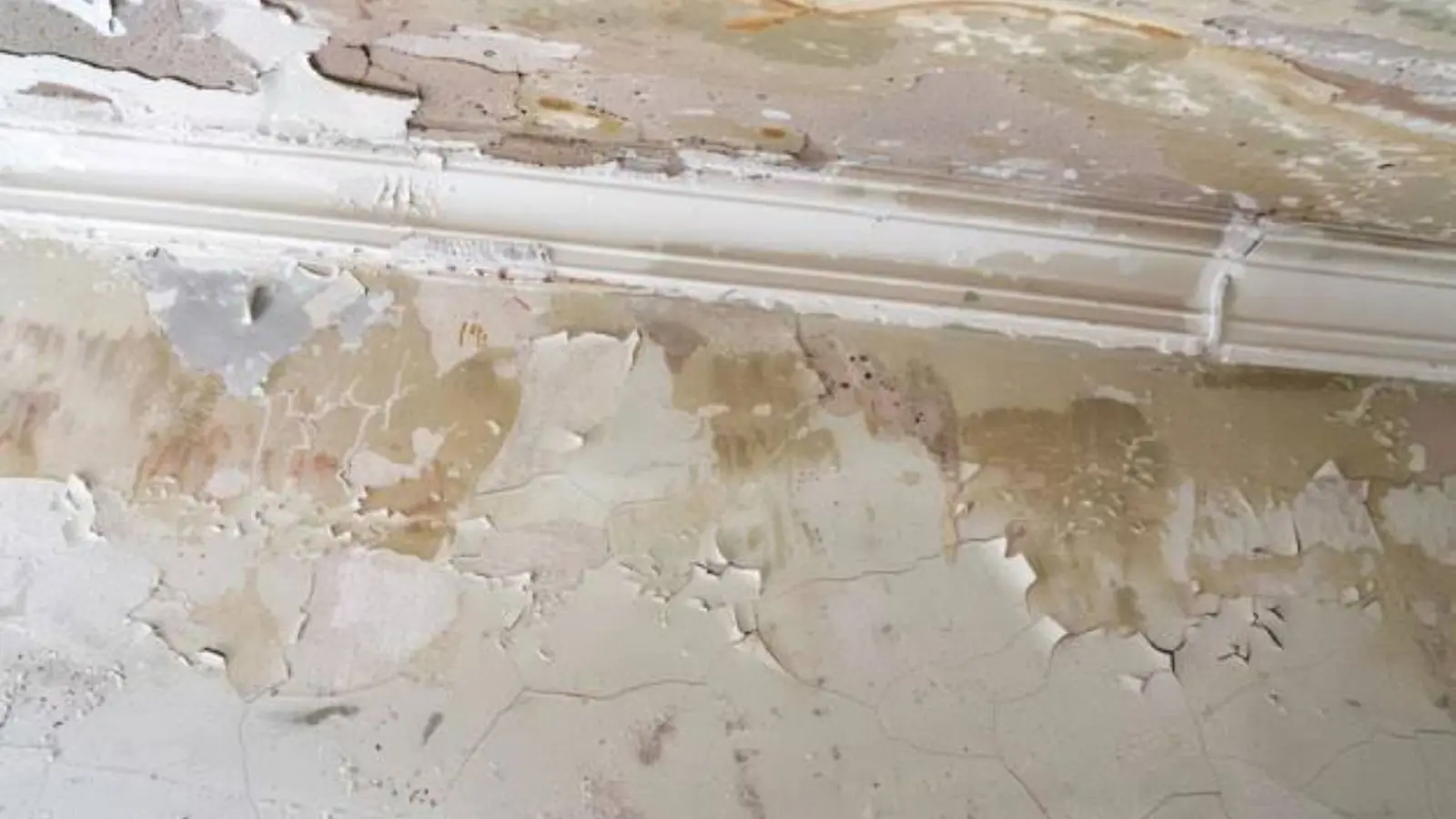
Water damage repair cost in Lynnwood, WA is not one number, because no two losses wet the same materials in the same way. A small supply line leak caught in an hour is a different job from a slab leak that soaked a hallway for a week.
This post lists the factors that set the price, in plain words and without made-up figures. It also shows how to read a written scope, and which materials are usually saved or replaced.
Mitigation and repair are two separate bills
The work after a leak falls into two phases that are priced differently. Water mitigation stops the damage from growing: extracting water, removing materials that cannot be saved, and drying the structure. Water damage repair then rebuilds what mitigation removed.
Mitigation is usually time sensitive and charged around crew hours, equipment days, and materials removed. Repair is closer to a small remodel, priced by the finishes you choose. Keeping the two apart on paper makes it far easier to compare offers or review them with an insurer.
Six factors that set the price
Every estimate is a mix of the same drivers. Knowing them lets you ask better questions when you call.
Water category
Clean supply water, grey water from a washer, and sewage each call for different handling. Contaminated water means more removal, more disinfecting, and more protective gear.
Affected area
The count of rooms matters less than the wet square footage of floors, walls, and ceilings, and how far water traveled inside the walls.
Materials involved
Drywall, carpet, laminate, engineered wood, and solid hardwood respond differently, and some can be dried in place while others cannot.
Drying days and equipment
Air movers, LGR dehumidifiers, and sometimes HEPA air scrubbers run for several days, and the count of units grows with the wet area.
Access and demolition
Tight spaces, tiled floors, and cabinets that must come off the wall add hours to the work.
Rebuild scope
New drywall, texture, paint, trim, flooring, and cabinets drive the second bill, and finish choices swing it widely.
Water still spreading? The emergency line is open around the clock.
☎ Call (425) 592-3399Writing the scope so the price makes sense
A good scope is specific. It lists each room, what is being removed, how much, which equipment is placed, and how often readings are taken. Vague line items such as general cleanup are where surprises hide.
Ask for the scope in writing before work starts, and for moisture readings at the beginning and the end. A drying log with daily readings shows when materials are dry, and it is also what an insurer is likely to ask to see. Our crews explain scope and price before work starts, so you can read the document with the person who wrote it. The same scope logic applies to jobs in Edmonds and Mukilteo.
Repair or replace: a decision table
The question that moves the rebuild cost most is whether a material gets dried or removed. The table gives the usual starting point, though a moisture meter reading on your actual floor decides it.
| Material | Often dried in place when | Often replaced when | Why |
|---|---|---|---|
| Drywall | Lightly wet, clean water, caught quickly | Soaked, sagging, contaminated, or wet for days | Paper facing holds moisture and swells |
| Carpet pad | Almost never | Nearly always | Foam holds water and is cheap to replace |
| Carpet | Clean water, quick extraction | Contaminated water or long exposure | Contamination cannot be fully washed from the backing |
| Solid hardwood | Surface wet, dried fast with floor mats | Cupped or buckled and not settling | Boards swell across the grain |
| Laminate and engineered wood | Rarely | Often | Core layers swell and the seams open |
| Base cabinets | Toe kick wet only | Wet from below for days | Particleboard crumbles when soaked |
The wider the gap between the two columns, the more a quick call matters. Materials caught in the first day are far more likely to land in the dried-in-place column.
Drywall, flooring, and cabinets in more detail
Drywall
A flood cut removes the wet lower strip of wall, commonly 2 feet high, so the framing behind can dry. The cost of the cut is small next to the cost of hanging, taping, texturing, and painting the replacement, which is why finish matching often drives the bill.
Flooring
Floor repairs run from refinishing a hardwood section to ripping out a whole room of laminate. Floors that continue through open rooms can force a larger replacement than the wet area alone, to keep the pattern and height matching.
Cabinets and trim
Cabinet bases often sit on the wettest point of a kitchen leak. Removing and resetting them to dry the wall can be cheaper than replacing them, but only if the box material has not swollen.
Questions to ask before you approve any work
- What is the water category, and how was it decided?
- Which rooms and materials are in the scope, and how much of each?
- How many air movers and dehumidifiers will run, and for how many days?
- What will be removed, and what is being kept and dried?
- Where does mitigation end and repair begin on this document?
- What could change the scope if the walls show more water than expected?
A clear answer to the last question tells you how much the estimate can move. For a real number on your house, call the 24/7 line.
Lynnwood note: permits, older finishes, and what to ask the city
The City of Lynnwood's Development & Business Services department reviews building plans and issues permits, according to the city's own site, with a Permit Center at City Hall open weekday business hours. A simple drywall patch usually does not involve the city, but a larger rebuild that touches structure, plumbing, or electrical work might. Ask the Permit Center before you sign a rebuild contract.
The Census American Community Survey (2023) puts the median year built for Lynnwood housing at 1979. Homes of that age often have layered finishes and older cabinet and flooring materials, so a walk-through before the scope is final matters. Plan permit time into the repair schedule, since it does not overlap with drying.
Questions we hear
Does Lynnwood require a permit to repair water-damaged drywall or flooring?
The city's Development & Business Services department handles permits, and the answer depends on the scope of the work. Simple surface repairs and larger structural, plumbing, or electrical work are treated differently.
Call the Permit Center at City Hall before the rebuild starts, and ask your contractor to confirm what applies to your job.
Why do two water damage quotes for the same house differ?
The documents often assume different scopes, such as removing a wall section in one and drying in place in the other. Equipment count and drying days can differ as well.
Compare line by line, and ask each company why its scope differs.
Is drying cheaper than tearing out the wall?
Drying in place avoids new materials and finish work, so it often costs less when the materials are salvageable. If drywall is soaked or contaminated, drying delays the real fix.
A moisture meter and thermal camera check tells which path applies.
Will the cost go up if I wait?
Often yes. Wet materials that could have been dried in the first day may need to be replaced, and mold growth adds a separate scope.
Call the 24/7 line early, since the earlier the call, the more options remain.
Have a question the answers above did not cover? Call the line and ask.
☎ Call (425) 592-3399