
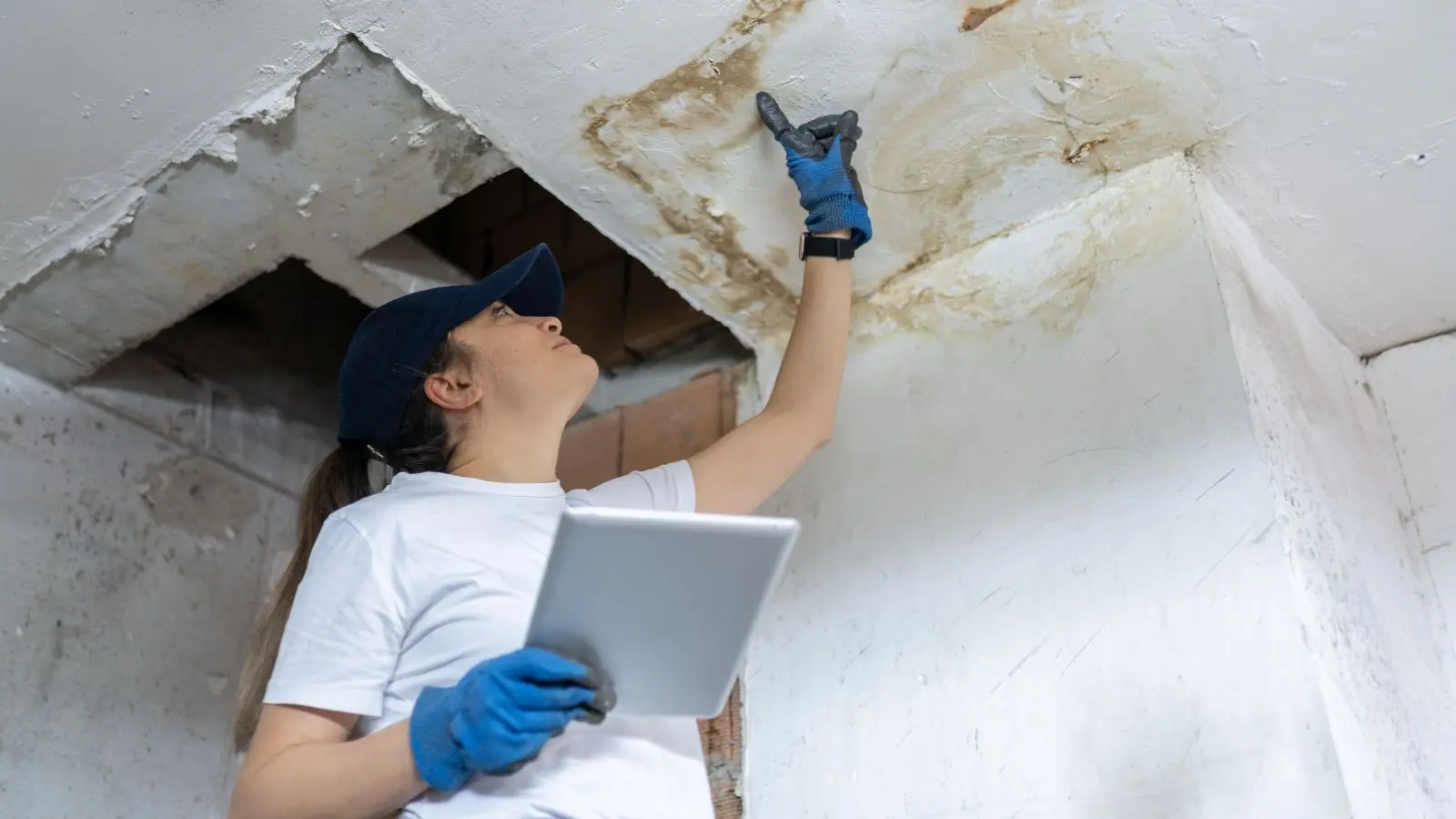
Does insurance cover water damage in Lynnwood, WA? Sometimes yes and sometimes no, and the deciding factor is usually how the water arrived and how quickly someone stopped it. A pipe that bursts on a Tuesday night is treated very differently from a drip behind the dishwasher that ran for months.
This guide covers the general pattern, what to photograph, and the order of phone calls that protects both the building and the claim. It is general information, not advice on any one policy, so your own policy wording always wins.
Sudden and accidental versus gradual: the line most policies draw
Most homeowner policies are written around sudden and accidental events. A supply line that snaps, a water heater that ruptures, or a frozen pipe that splits and floods a hallway often lands on the covered side. The shared idea is that the loss was unexpected and happened over hours or days, not months.
Gradual damage sits on the other side of that line. A slow leak under a sink, seepage around a tub, or a weeping fitting that stained a cabinet floor for a whole season is often treated as maintenance or neglect, and many policies exclude it. Insurers look hard at rot, rust, and long-standing mold, because those signs show how long water was present.
Wording differs a lot from one policy to the next, and endorsements change the picture again. Read the water section, the exclusions list, and the definitions page. Then ask your insurer to explain anything unclear in plain terms before you decide what to do.
Flood and sewer backup are separate questions
Water that rises from outside the house is a different category. Flood damage is usually excluded from standard homeowner and renter policies and needs its own flood coverage. If storm water pushes through a basement wall or a creek spills over a yard, the claim often turns on whether you carry that separate policy. The cleanup for those events falls under flood damage restoration.
Sewer or drain backup is another common gap. It is often an optional add-on, so a backed-up floor drain may be covered on one policy and not on the neighbor's. Look for a water backup line on your declarations page, and ask your insurer what it includes.
Water still spreading? The emergency line is open around the clock.
☎ Call (425) 592-3399What to document before anything gets moved
Your own record is easiest to build on day one. Take photos before you lift carpet or cut drywall, because those steps remove the evidence of how far the water spread.
- Wide photos of each affected room from the doorway, then close-ups of the source, stains, and wet materials.
- A short video walk-through where you say the date, the time, and what you see.
- The make and model of any failed appliance, plus the broken part if you can keep it.
- A written list of damaged belongings with their age and your best estimate of value.
- Moisture readings, thermal camera images, and a written scope of work from the restoration crew.
- The date, time, and name for every phone call you make about the loss.
Photograph anything the crew removes before it goes in a bag. Receipts for emergency purchases such as fans, tarps, or a plumber's visit belong in the same folder.
Protecting the property after the loss
Many policies expect you to protect the property from further damage once a loss happens. That can mean shutting off the water, moving belongings out of the wet zone, and starting to dry the structure promptly. How this is worded depends on the policy, so check yours and ask your insurer what it expects.
Speed matters for practical reasons too. Mold can start on damp drywall and framing within about 24 to 48 hours, and a bigger problem makes for a bigger claim that someone may question. Professional water mitigation uses moisture meters, thermal imaging cameras, air movers, and LGR dehumidifiers to dry the structure before that point.
The first-call order when water is still running
Stop the source
Close the fixture shutoff or the main water valve. If you cannot find either, that is the first thing to learn tonight.
Check for electrical and gas risk
If water is near the panel, outlets, or you smell gas, stay out and call the electric or gas utility or 911 before anyone else.
Photograph and record
Take the photos and video from the list above while the damage is still visible.
Call the 24/7 restoration line
Water keeps spreading while you wait, so drying should start as soon as it safely can.
Report the loss to your insurer
Policies often set notice requirements, so call your insurer or agent promptly and ask what comes next.
Calling the restoration line first is a sequencing choice, not a rule. A hold queue at the insurer does not stop a pipe from flooding the room below.
What a restoration crew can and cannot do for your claim
A restoration crew documents the loss with photos, moisture readings, and a written scope of work. That gives you material for your own claim. Coverage decisions belong to your insurer, and nobody else can promise approval or a payout.
Once the structure is dry, the rebuild is its own phase, and water damage repair picks up from there. Ask your insurer how it handles the drying and rebuild portions. Our crews also serve Edmonds and Mountlake Terrace, and homeowners there ask the same first question, since the policy sets the rules rather than the city line.
Lynnwood note: older homes and a city of renters and owners
The Census American Community Survey (2023 five-year estimates) puts the median year Lynnwood homes were built at 1979. The same table counts about 9,000 of 17,617 housing units as built before 1980. Supply lines, water heaters, and drain fittings are common failure points in homes of that age, and insurers often ask about the age and condition of whatever failed.
The practical tie-back is simple. Keep the failed part, photograph any manufacture date you can see, and note recent plumbing work. Census QuickFacts also lists an owner-occupied rate of 51.1 percent for 2020 to 2024, so roughly half of Lynnwood households rent. Renters should check what their renter's policy covers for belongings and report a leak to the landlord in writing the same day.
Questions we hear
Will my insurer treat my older Lynnwood house differently?
Possibly, but it depends on the policy and the insurer. Age of the home or its plumbing can affect terms, and some insurers ask about updates to pipes, wiring, and the water heater.
Ask your insurer what it considers when a loss involves older plumbing. Keep records of any replacement work you have done, since they help show the failure was sudden.
Does homeowners insurance cover a burst pipe?
A sudden burst is the kind of event many policies are written to cover, though the policy may exclude the pipe itself or limit what it pays for related repairs. Frozen pipes sometimes carry conditions about heating the home.
Read the water damage section and the exclusions, then ask your insurer how your specific policy treats the pipe, the water damage, and the drying.
What if I wait a few days to call my insurer?
Many policies expect prompt notice and prompt steps to limit damage. Delay can raise questions about whether the damage grew because no one acted.
Start drying and photographing right away, and report the loss as soon as you can. Ask your insurer about any notice deadlines in your policy.
Is mold from a water leak covered?
Mold coverage is commonly limited or excluded, and it may depend on whether the water source itself was covered. Mold needs moisture, so fixing the leak and drying the area comes first.
Ask your insurer how mold is treated on your policy. Health questions about mold belong with a physician.
Should I call my insurer or the restoration company first?
If water is still spreading, stop the source and call the 24/7 line so drying can start. Then report the loss to your insurer the same day if you can.
Photos taken before cleanup begins help either way, so take them while you wait.
Have a question the answers above did not cover? Call the line and ask.
☎ Call (425) 592-3399