
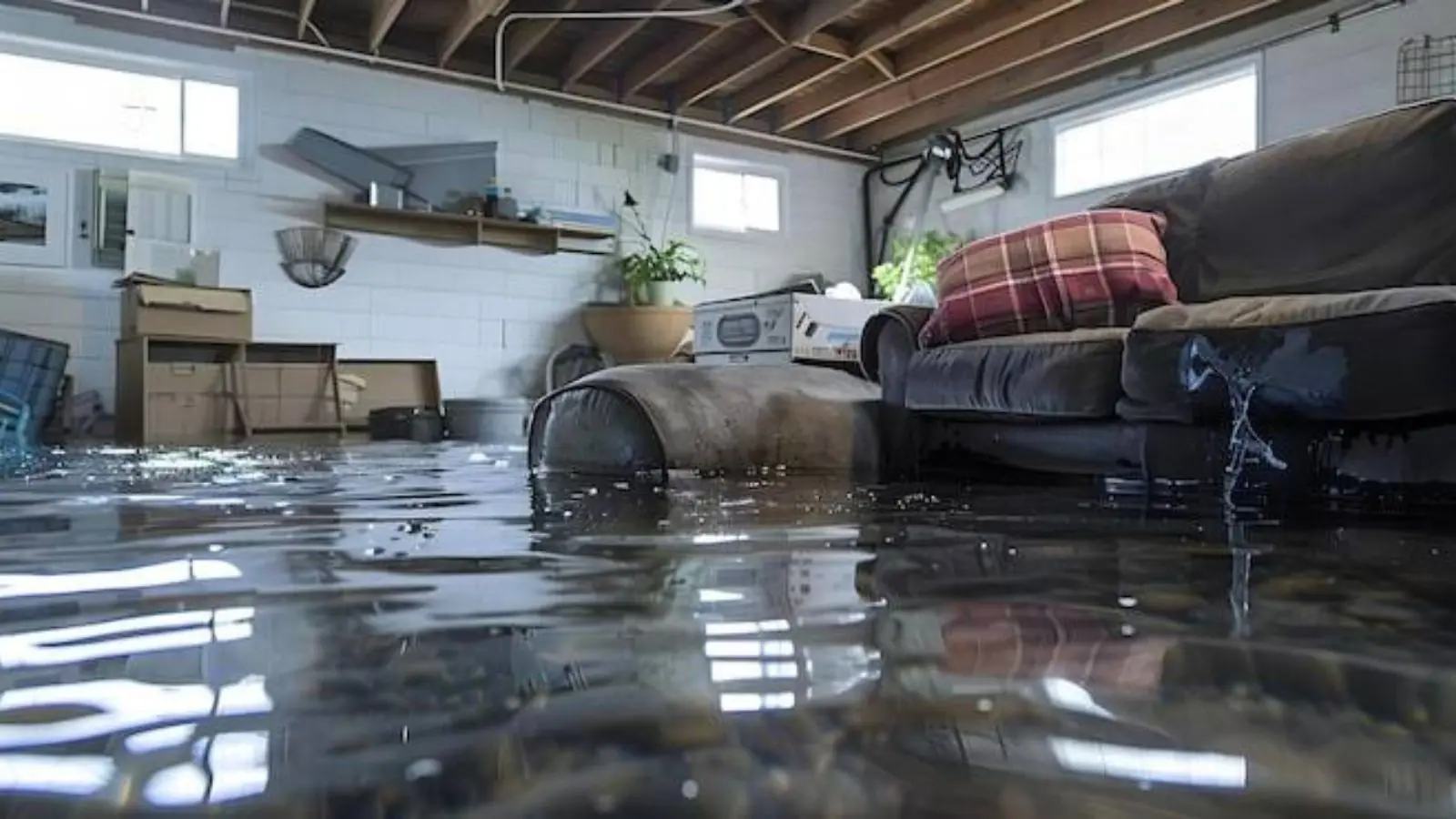
A wet basement in Lynnwood, WA feels like an emergency because it is one. Carpet wicks water up the walls, framing starts to soak, and every hour adds work. Professional basement flood cleanup follows a set order, and knowing that order helps you judge any company you call.
This guide walks through a typical job hour by hour. It also covers what you can do yourself, when the water is too dirty to touch, and how to tell a careful service from a rushed one.
Hour by hour: what a flood crew does on site
Every company has its own checklist, but the order below is common across the industry. Skip a step and the basement is often wet again a week later.
Hour 0 to 1: Safety and the source
The lead walks the basement before any equipment comes in. They look for the water source, confirm the main valve is off, and check whether the panel, outlets or furnace sit in or near the water. Electrical problems get handled first, because live power near standing water is the most dangerous part of the job.
Hours 1 to 3: Water type and moisture map
Next the crew decides the water category, which sets the whole plan. They then use moisture meters and a thermal imaging camera to mark how far water has traveled into the walls, the slab edge and the stair framing.
Hours 2 to 6: Extraction
Extraction units pull standing water off the floor. Wet carpet pad usually gets cut out and hauled away even when the carpet itself can be saved, because pad holds water like a sponge. Baseboards come off and small holes may be drilled at the base of the drywall so air can reach the cavity.
Hours 6 to 12: Drying setup
Air movers go along the walls and across the floor, and LGR dehumidifiers pull moisture out of the air. The crew closes doors to dry rooms so the equipment works on the wet zone only. Equipment placement and starting readings go into a written log.
Days 2 to 5: Monitoring
A technician returns each day to read the meters and move equipment as areas dry. The job ends when wet materials reach their dry standard, not when the room feels dry to the hand. Equipment comes out only after those readings agree.
What you can safely do before anyone arrives
The best use of waiting time is stopping the water and protecting people. Do only what you can do from dry footing.
- Shut off the main water valve if a pipe or fixture is the source.
- Cut power to the basement at the panel only if the panel is dry and you can reach it without stepping in water.
- Carry out small valuables, photo boxes and documents from dry shelves and upper floors.
- Take photos and short video of the water line, the damaged items and any labels on appliances.
- Open a window upstairs for air, but leave the basement doors closed to keep humid air from spreading.
- Keep children and pets away from the stairs and the wet room.
When to stay out of the basement
If water is touching outlets, the electrical panel, a furnace or a water heater, do not step in. Call 911 for any electrical or gas risk, and call your electric or gas utility, before you call the restoration line.
Sewage in the water, a strong sewer smell, or water that rose through a floor drain turns the room into a contamination zone. Keep everyone out and wait for the crew.
Water still spreading? The emergency line is open around the clock.
☎ Call (425) 592-3399Clean, gray or black water: why the type changes the job
Restoration crews sort water into three categories under the ANSI/IICRC S500 standard. Category 1 comes from a clean source, such as a broken supply line. Category 2 carries some contamination, such as washing machine or dishwasher discharge. Category 3 is grossly contaminated, such as sewage or water that has crossed soil.
The category decides what can stay. In clean water, hardwood, concrete and framing are often dried in place. In Category 3 water, porous materials like carpet, pad, insulation and drywall are removed and bagged, and the surfaces left behind are cleaned and treated before drying starts.
Large basement floods and sewage backups fall under flood damage restoration, which adds containment, protective gear and disposal steps. This is the clearest case where a pro is the safer call. Pumping a sewage-contaminated basement with a rented pump and a wet vac can spread contamination to the rest of the house.
Your belongings: what gets saved and what goes
Crews sort contents into three piles. Hard items such as glass, metal and sealed plastic can usually be washed and kept. Porous items such as upholstered furniture, mattresses and particleboard shelving soaked in dirty water are usually discarded.
Paper, photos and books are time sensitive. Pulling them out within a day or two and letting them dry flat or freezing them gives you a better chance. Electronics and appliances that sat in water should not be plugged in until a technician has looked at them.
Make a simple list as items leave the room, with a photo of each one. Your insurer may ask for it, and the crew can also document the loss with photos, moisture readings and a written scope you can use for your own claim.
A realistic timeline for a flooded basement
Extraction and the first equipment setup usually fill the first day. Drying commonly takes three to five days for a basement, and longer for thick framing, concrete that took on water, or a finished space with several layers of flooring.
After drying, the work splits in two. Cleaning and removal of damaged materials comes first, and rebuilding comes after, with new drywall, trim, flooring and paint. The rebuild can take days or weeks depending on how much was removed and how fast materials arrive.
Damp materials left for a couple of days invite mold growth, which is why the first day matters so much. If you see mold, the leak has to be fixed first, and testing or mold remediation follows the ANSI/IICRC S520 standard. Questions about health belong to a physician.
How to judge a basement flood cleanup service
Phone answers tell you a lot. Ask these questions before you agree to anything, and compare the answers to the table.
| Ask | A solid answer sounds like | A warning sign |
|---|---|---|
| How do you decide the water category? | They name the source and explain what each category means for materials. | They quote a plan before asking where the water came from. |
| How will you track drying? | Daily moisture readings logged against a dry standard. | Equipment drops off with no return visit planned. |
| What do you do with documents? | Photos, readings and a written scope you can keep. | Verbal promises about what your insurer will pay. |
| Do you work to ANSI/IICRC S500? | A direct yes or no, and an explanation of how. | Vague talk about 'industry best practice'. |
| What is the scope and price before work starts? | Scope and price explained before work starts. | Pressure to sign on the spot. |
| Can you handle waterproofing? | An honest no. Restoration is not waterproofing. | A promise that the basement will never flood again. |
Homeowners in Mountlake Terrace and Everett face the same sequence, and these questions work for judging any crew in either town.
What sets the price of basement flood cleanup
No honest company can name a number without seeing the basement. The main drivers are the water category, the size of the affected area, the materials involved, how many days of equipment the drying needs, and how much has to be rebuilt afterward.
Insurance questions are separate. Sudden and accidental water damage is often covered, flood damage is usually excluded and needs separate flood coverage, and gradual leaks are often not covered. Check your policy or ask your insurer before you assume anything. For a real number on your house, call the 24/7 line.
Lynnwood note: Scriber Creek and basement water
The City's Scriber Creek flooding summary, a July 2014 report posted by Public Works, says flooding has concentrated between 188th St SW and 196th St SW and has affected homes, businesses and streets. It lists events in 2006, December 2007 and November 2012, and names undersized culverts and storm drain overflow among the causes.
If your basement is in that stretch, tell the crew your street when you call and say whether water rose through a floor drain or seeped through the walls. Creek overflow and storm drain backup carry soil and bacteria, so a crew will often treat that water as contaminated, which changes what can stay in the room.
The City's draft critical areas code describes flood hazard areas using FEMA flood insurance rate maps. Check the FEMA flood map for your address and read your policy for flood coverage before a storm, not after.
Questions we hear
My Lynnwood basement is near Scriber Creek. Is the water floodwater?
It can be. If water came over the creek bank or up through a storm drain, crews treat it as contaminated until proven otherwise. If a supply line or water heater failed, the water is usually clean at first.
The City's flood study covers the stretch between 188th and 196th St SW, but a basement outside that area can flood from roof runoff or a failed sump pump. Tell the crew what you saw.
Can I just run a wet vac and fans myself?
For a small puddle of clean water, yes. For anything deeper than a few inches, anything touching walls, or anything that might be sewage, no. Consumer fans move air but do not remove moisture, and hidden water in framing stays behind.
If the water is dirty or reached the electrical system, call a pro.
How soon does wet carpet need to come out of a flooded basement?
Pad should come out within a day, because it holds water against the slab. Carpet over clean water can sometimes be lifted, dried and reinstalled, but carpet that sat in dirty water is usually discarded.
Can I call at night about a flooded basement?
Yes. The 24/7 emergency line takes calls at night and on weekends, and same-day response is available when crews can schedule it. Stop the source and stay clear of electrical hazards while you wait.
Does flood cleanup stop my basement from flooding again?
No. Restoration dries and repairs what the water damaged. Stopping future water takes grading, drainage or waterproofing work from a different trade, and you should ask that trade about it.
Have a question the answers above did not cover? Call the line and ask.
☎ Call (425) 592-3399